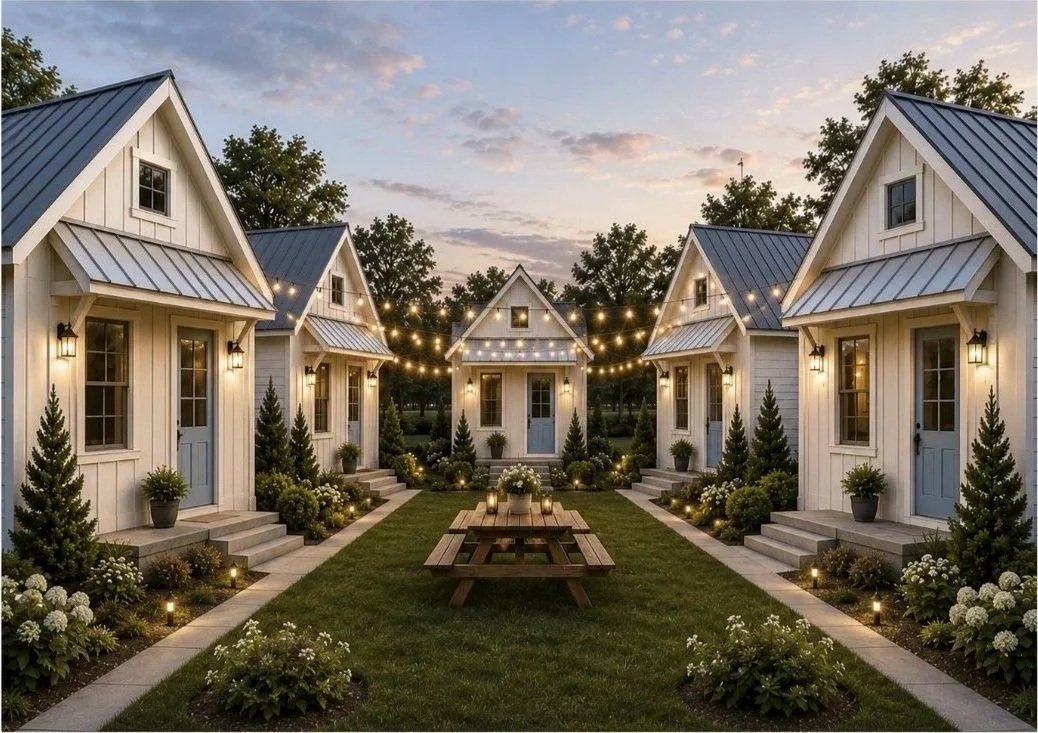
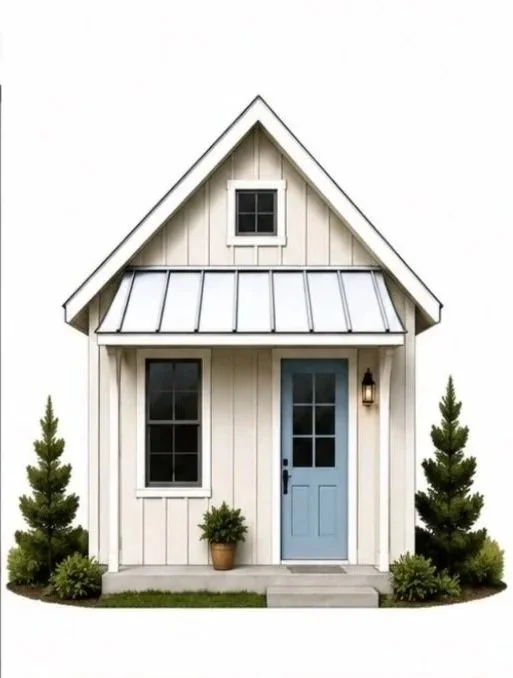
By giving to Still Waters Ministry, you're investing in more than a building. You're investing in hope, healing, and the future of young women aging out of foster care. Every gift brings us one step closer to opening our doors.
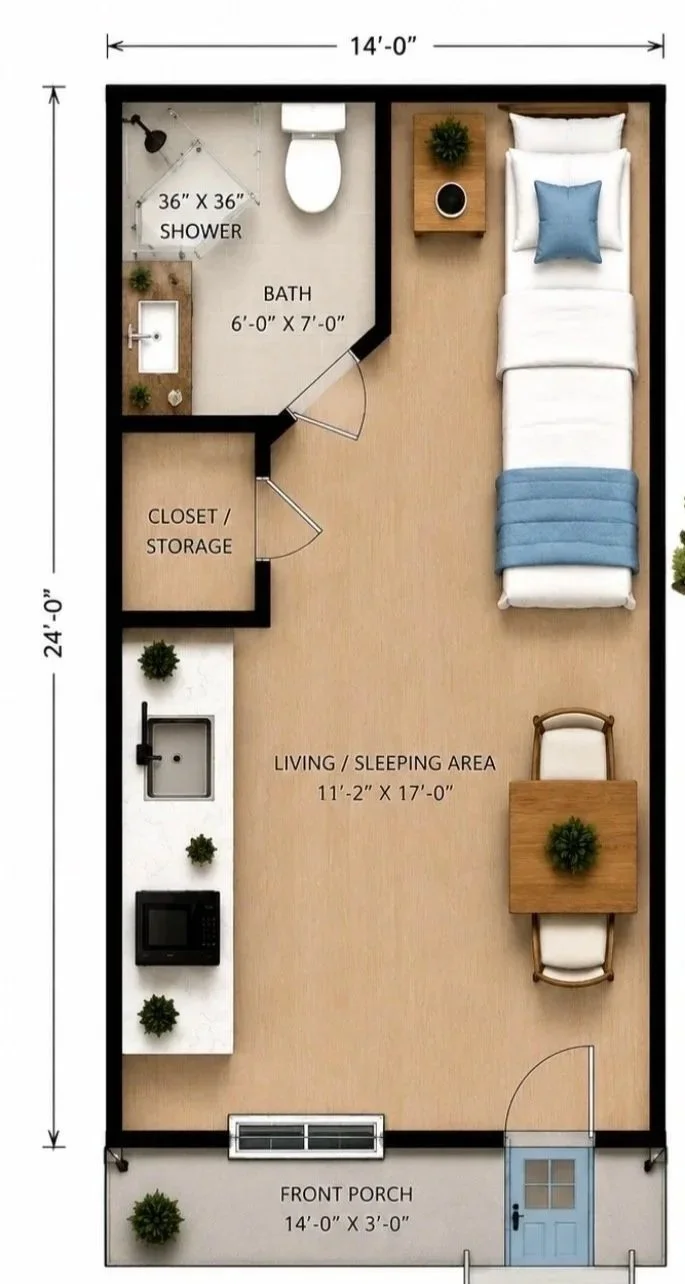
We are searching for donations to help us build 5 Tiny homes and a separate community building.
Help Us Build The First of Our Tiny Homes
Up Front Anticipated Costs:
$150,000 5 tiny homes ($30,000 each)
$60,000 Community Building
$10,000 Sidewalks, Shrubbery, Etc.
$20,000 Community Mom Salary
$5,000 Furnishings & Supplies
$5,000 Water/Sewer Taps
$250,000 total for initial Start
Sponsor a Cottage
When you choose to sponsor a cottage, you're not only partnering with Jesus to invest in the future of our youth aging out of foster care--you're creating a lasting legacy. In recognition of your generosity, your chosen namesake will be permanently displayed on the front of the cottage, forever becoming a part of the Still Waters Community.
Why give?
-
✽
South Carolina has children in foster care from birth through age 18, with many remaining in care for months or years while working toward reunification, adoption, or another permanent home
-
✽
Roughly 150–250 South Carolina youth transition out of foster care each year without a permanent family. Up to 20% experience homelessness shortly after leaving foster care
-
✽
South Carolina has approximately 6.7 children in foster care for every 1,000 children, compared to the U.S. average of about 5.8 per 1,000 children. That means South Carolina's foster care rate is about 15–20% higher than the national average
-
✽
Only 43.9% of South Carolina foster youth graduate from high school by age 19, compared to more than 85% of students nationwide.
-
✽
South Carolina also has an ongoing need for foster families, particularly for teenagers (ages 13–17), sibling groups, and children with higher support needs. Many teens wait longer for family-like placements because there simply are not enough homes available
-
✽
Former foster youth are significantly more likely to struggle with unemployment, financial instability, and mental health challenges as they enter adulthood